Need a New Headshot? I Tried Aragon AI (Before/After Photos + Honest Verdict)
Photoshoots are SO MUCH FUN. 📸
That said, they are also one of those things you put off like you put off writing your will: not that you don't need one, but you're always waiting for some imaginary far-off time in the future when you have the gumption, the time, the headspace. Ha.
And yet!
Amateur headshots are still one of the #1 things that absolutely murder conversions on small business websites. They totally drag the whole thing down to the pits of hell and wreck all your hopes and dreams. (And we can't have that.)
What's an amateur headshot?
- Blurry / low-res / taken in low light / taken after seven shots of tequila
- With a weird background (Is she in a car???? Did she crop out her friend???)
- An uncomfortable, awkward facial expression
- And no real feeling that "this person is a legit person who takes this seriously"
Subconsciously, these things can really affect whether or not someone opts in to your website, follows your work, or chooses to buy. They're credibility cues. They speak volumes about whether or not you are a serious player.
You need to have serious player swagger.
Otherwise, everything else you do, write, or say is at an automatic disadvantage. (And I'm not just talking about headshots. Making sure your site is legit is just as important—something we are making over inside of Claude for Business Owners.)
Alas!
I had heard great things about Aragon AI for generating headshots that actually look like you, despite not loving the name. ("Aragon" sounds like the evil corporation in an Inspector Gadget episode, doesn't it?)
So, I decided we needed to do a little testing! You know, for the greater good. 😉
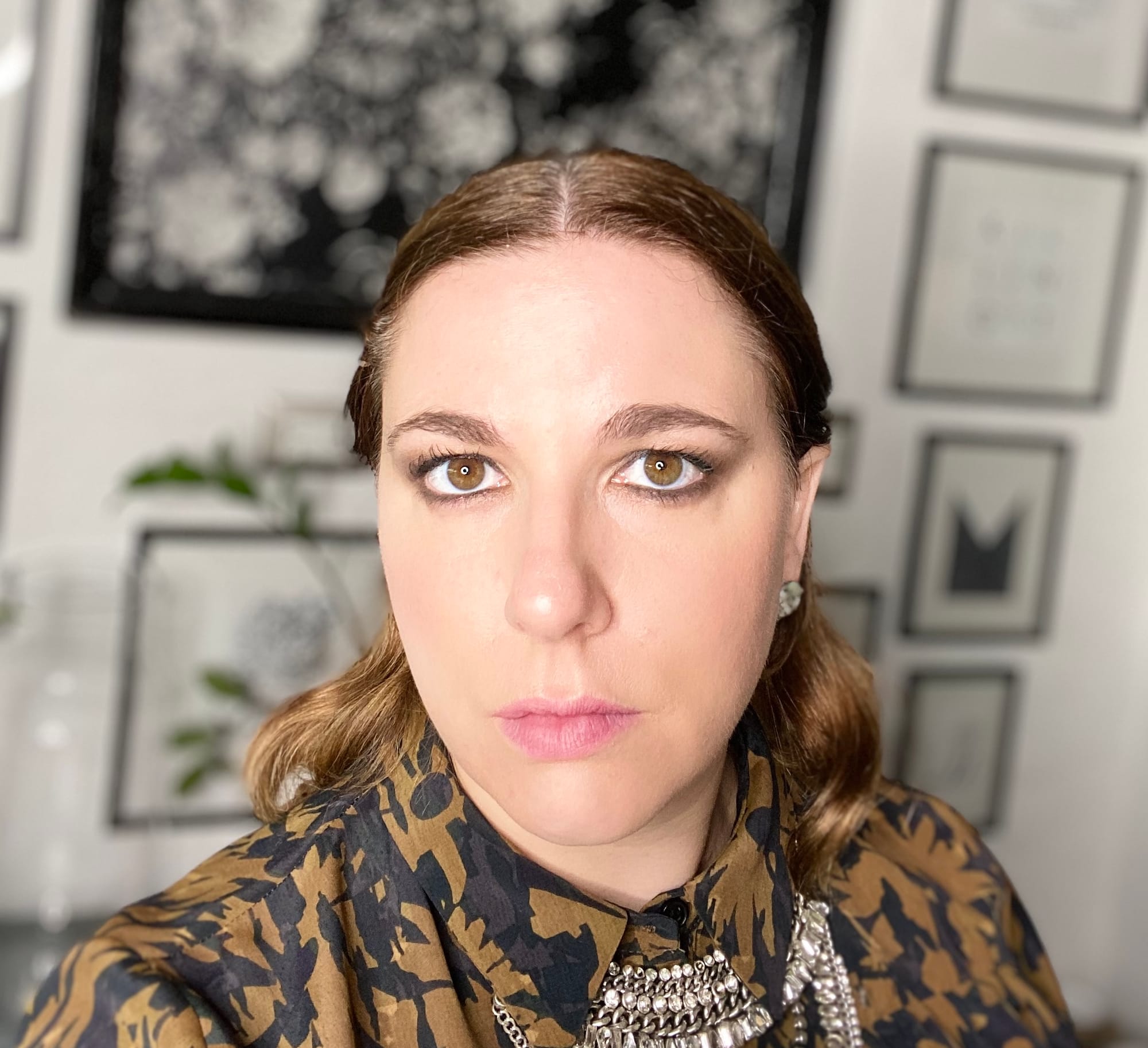
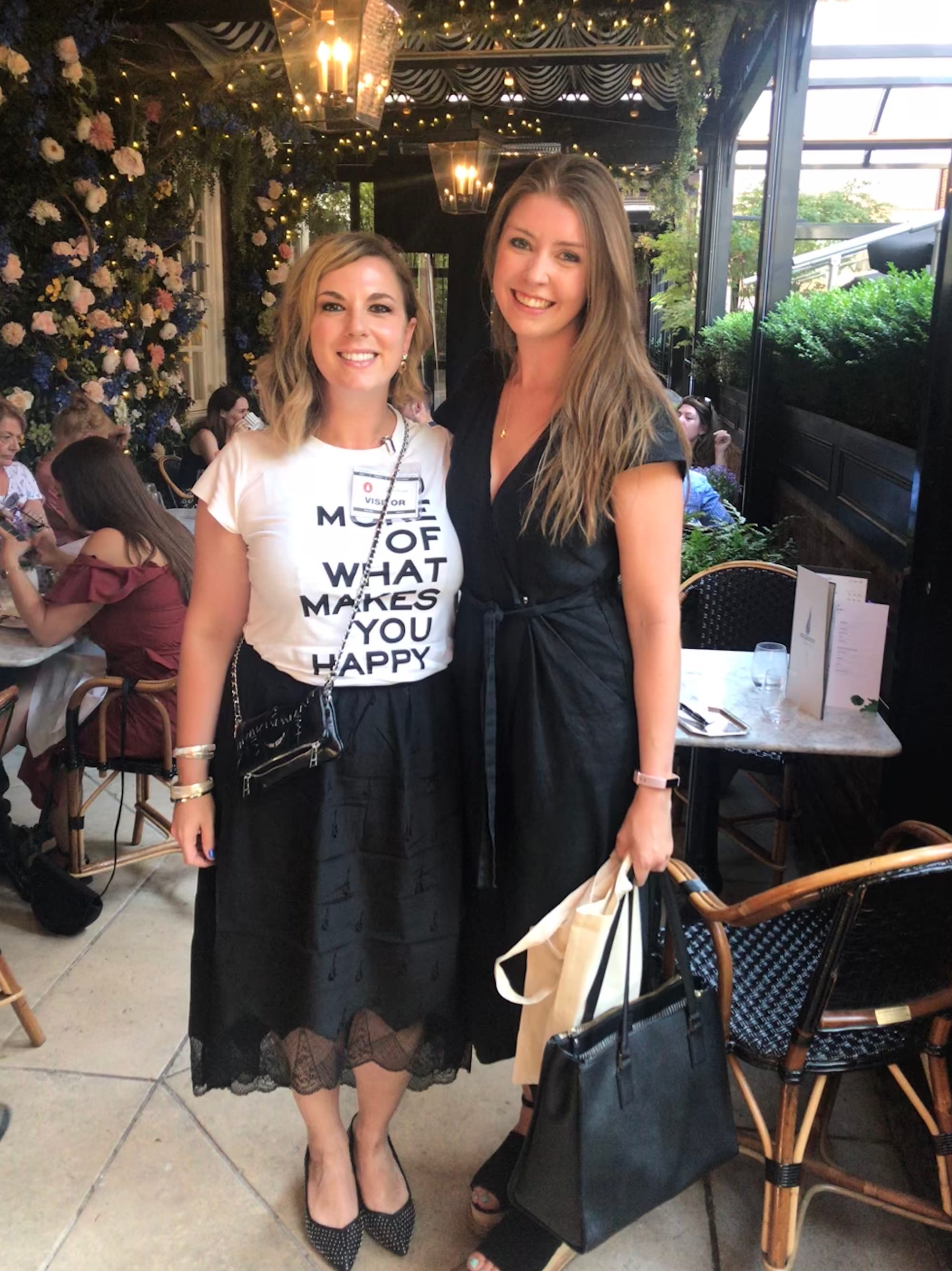
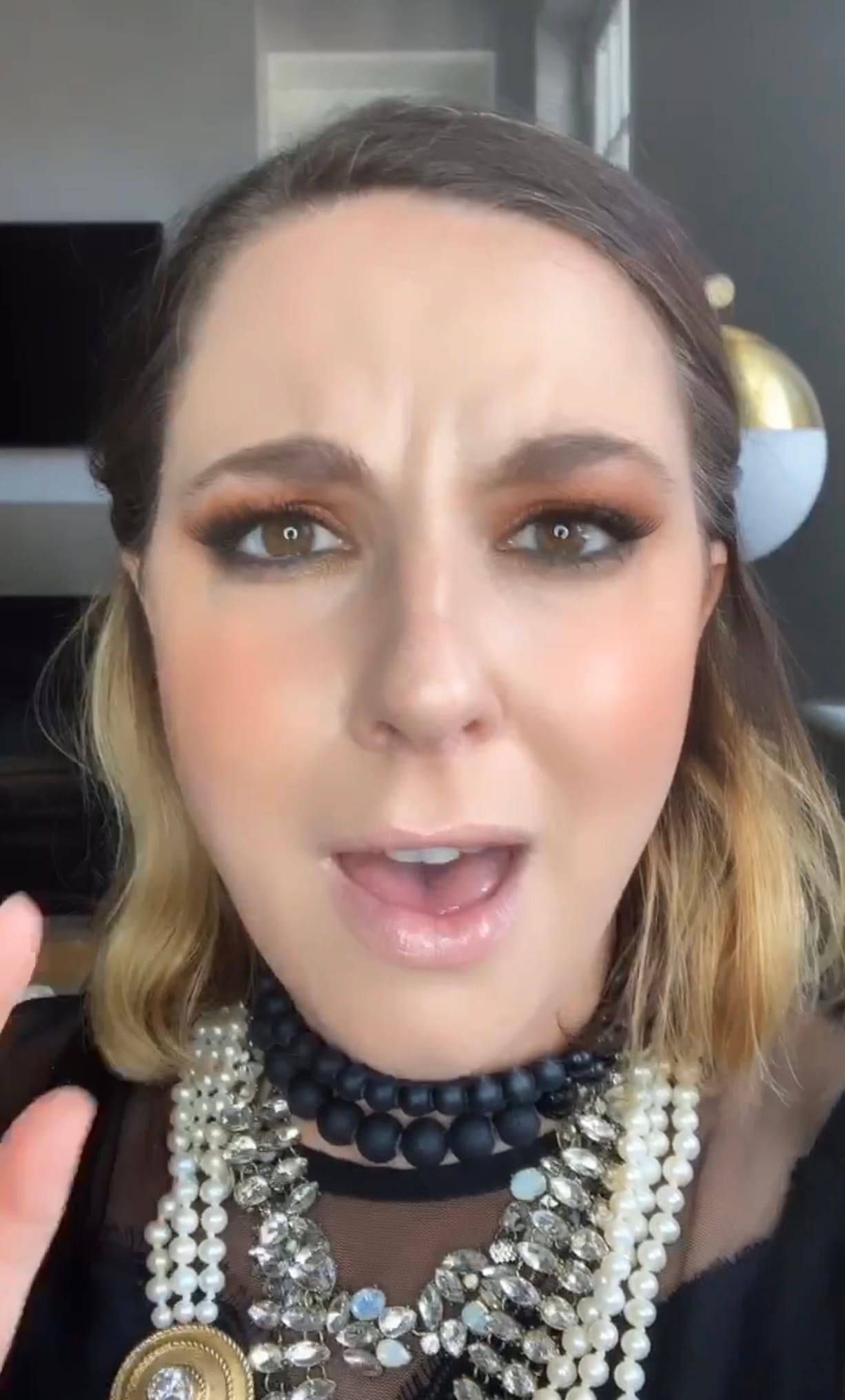
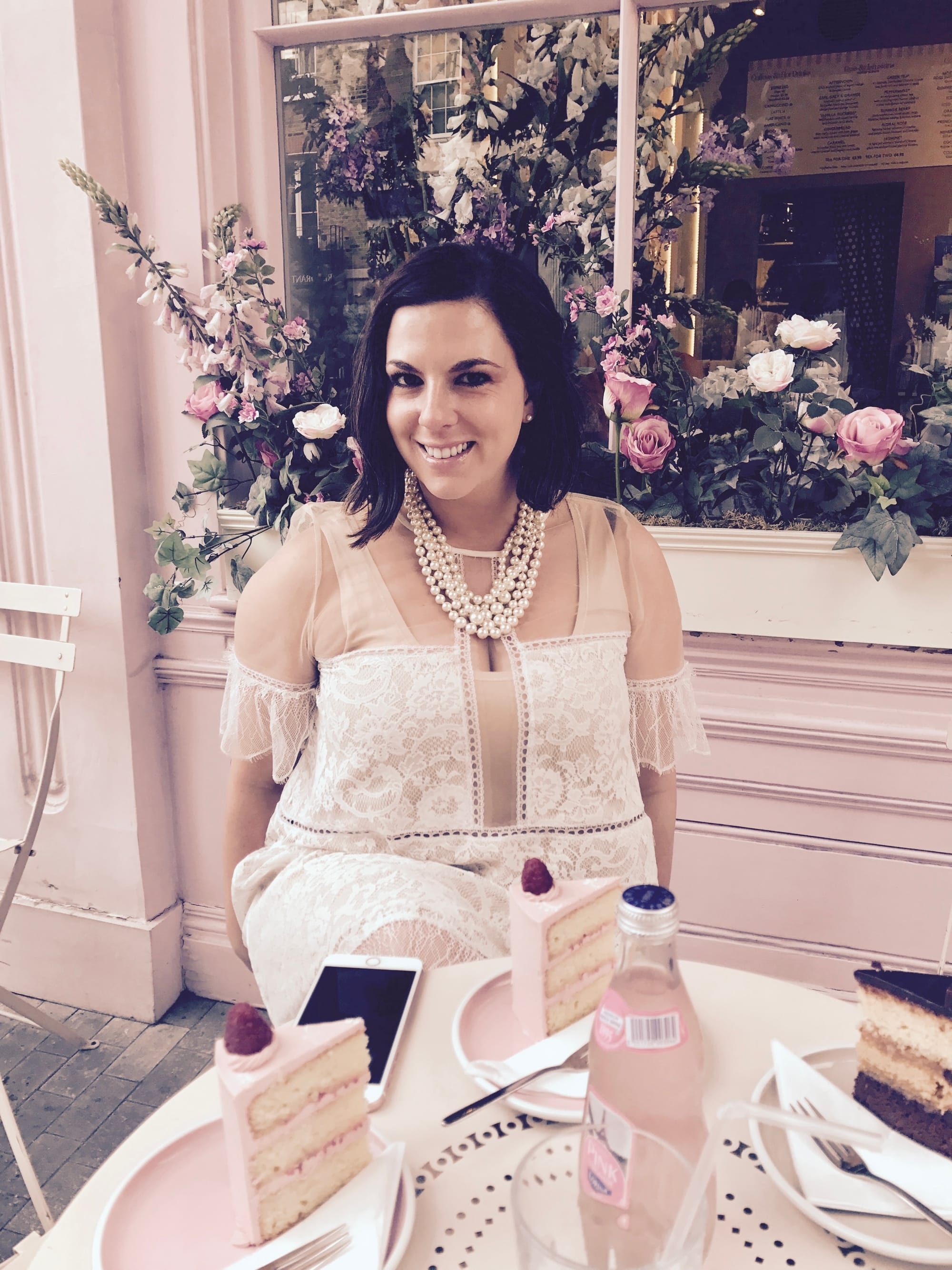
Aragon asks you to upload 6-10 photos of yourself, and the nice thing is, they can be any old stupid photo. They don't have to be professional headshots. (That defeats the purpose.)
So, I gave it some really TOTALLY amateur everyday photos that I found in my camera roll (that would look pretty bad on a website). Some blurry, some with overblown exposure, some edited funky, nothing matching at all.
The samples I uploaded:

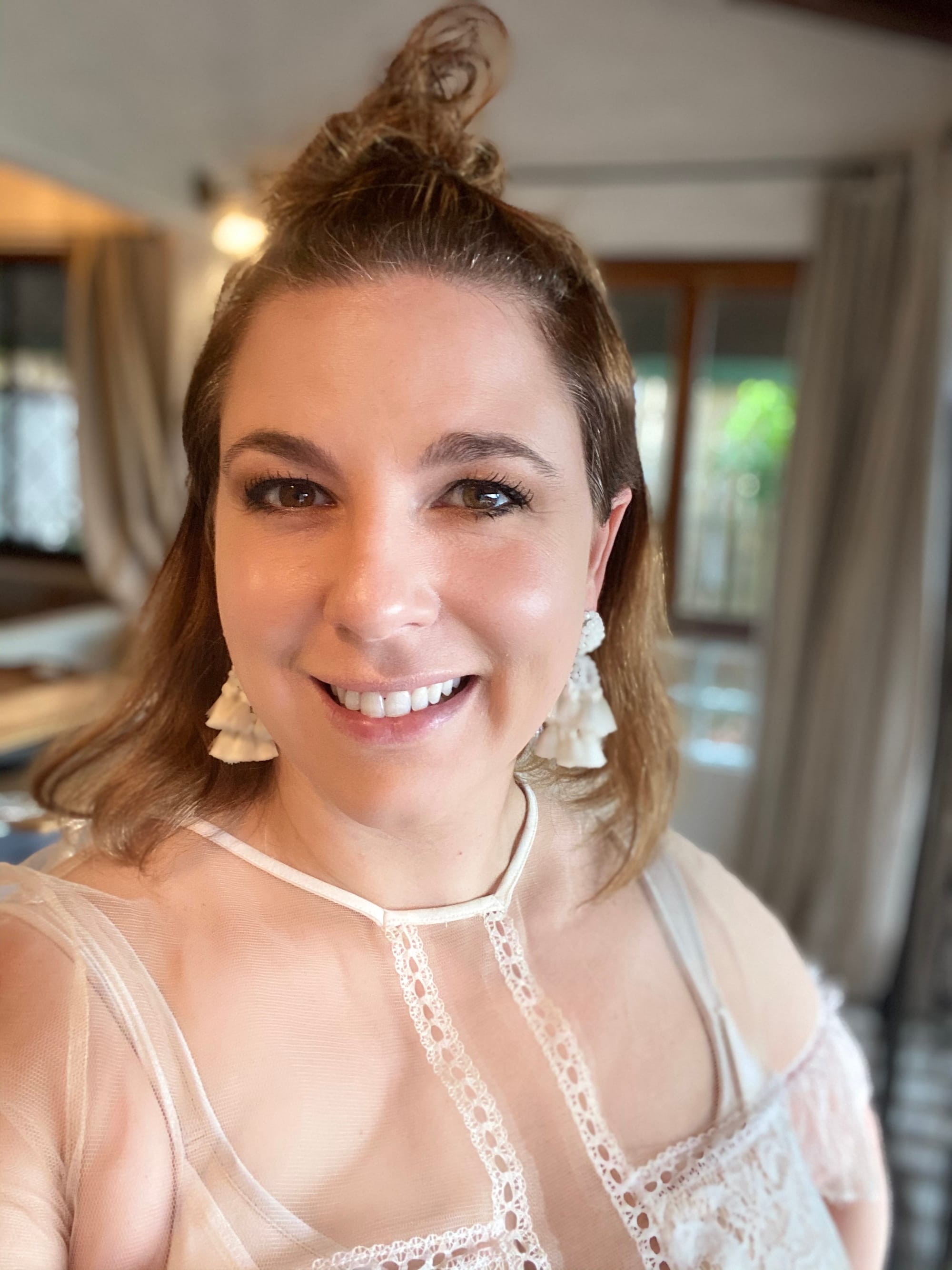
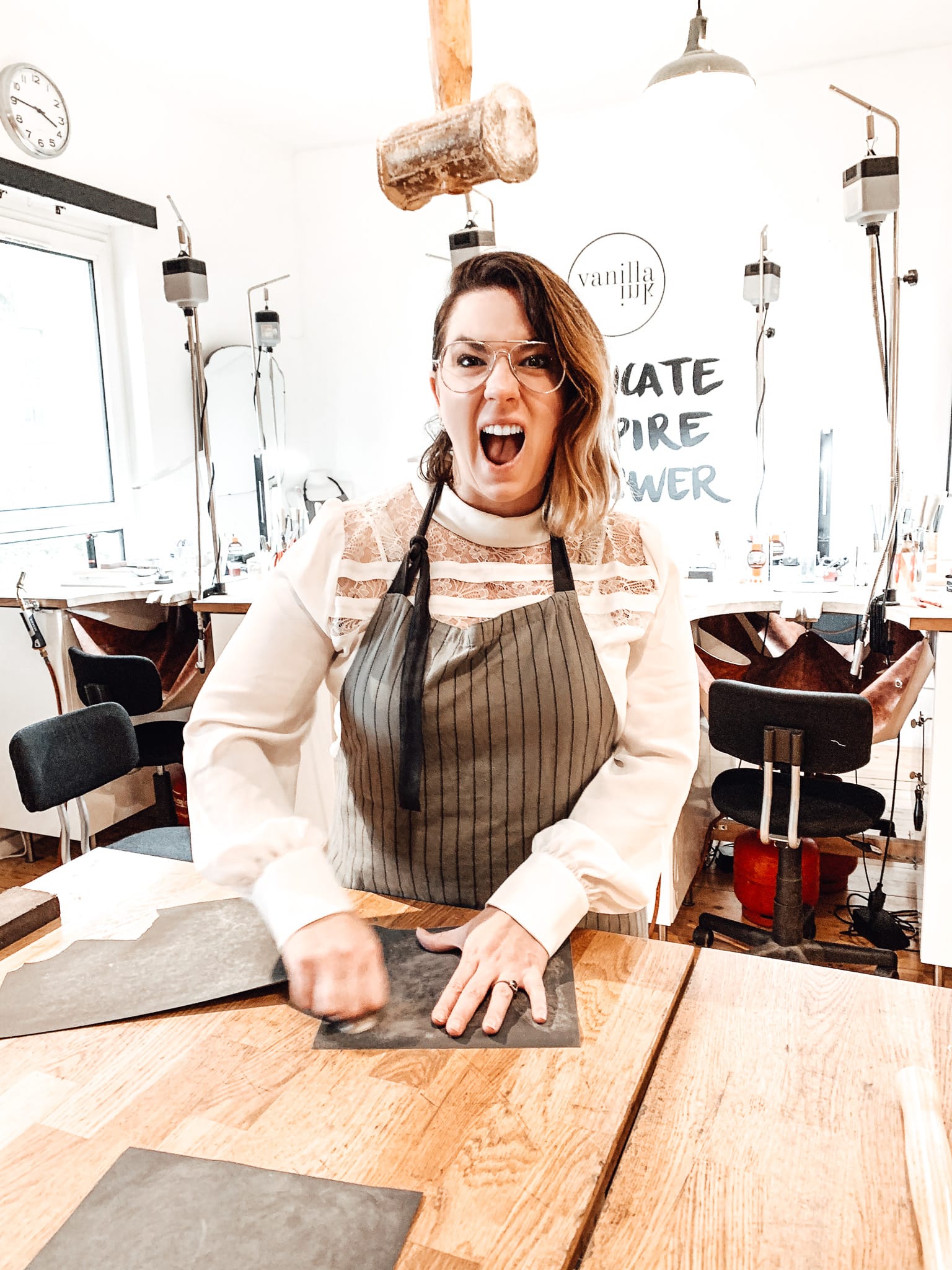
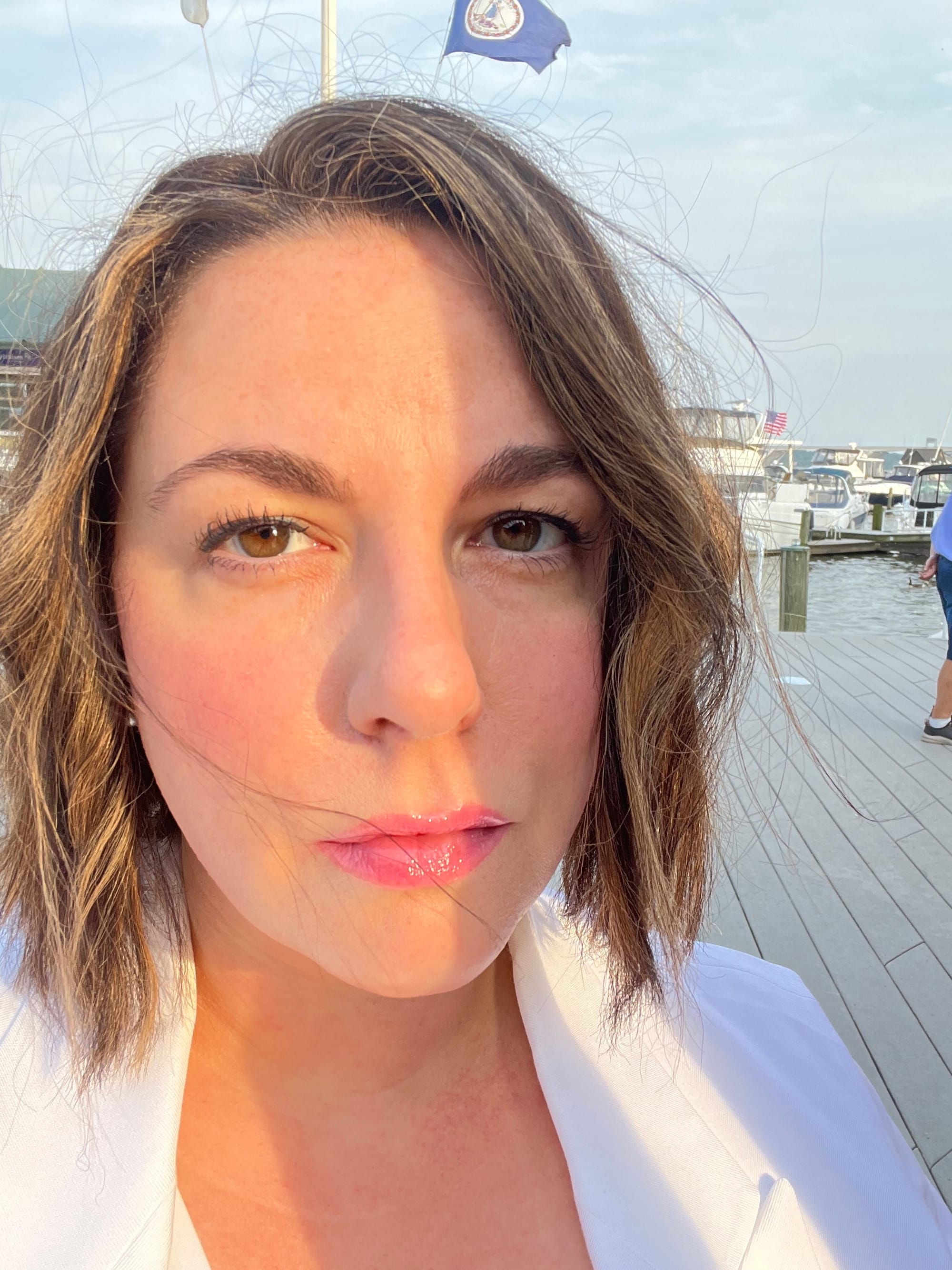
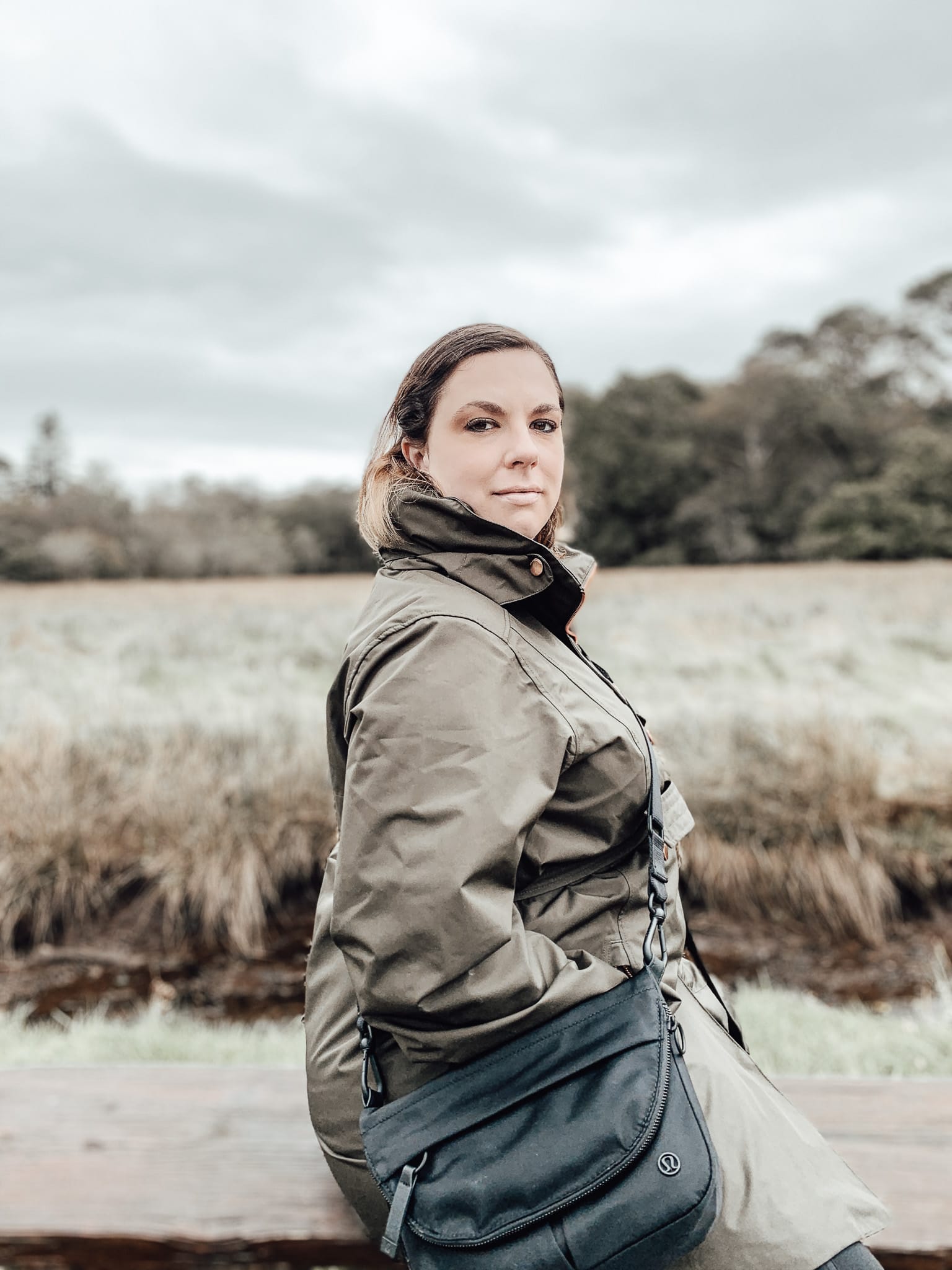
And then, I picked my package. (How many pictures I wanted generated. Though that sentence could really go downhill fast.)
Confirmed some details (like that I didn't want any business suit photos).
Said which kind of backgrounds I wanted (studio? nature? city?)
And then I waited.
It said it would take about 30 minutes.
And then I got the results.

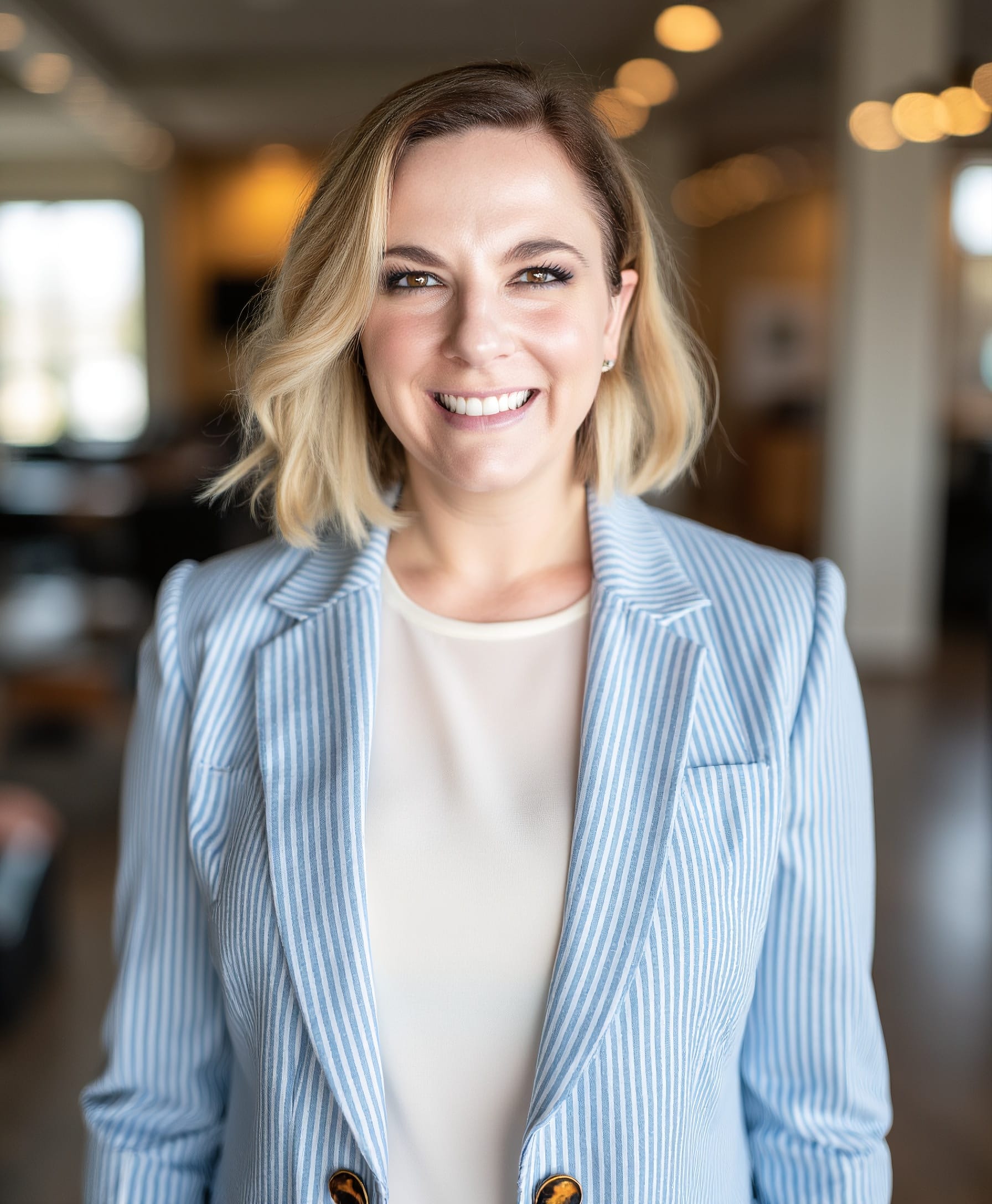

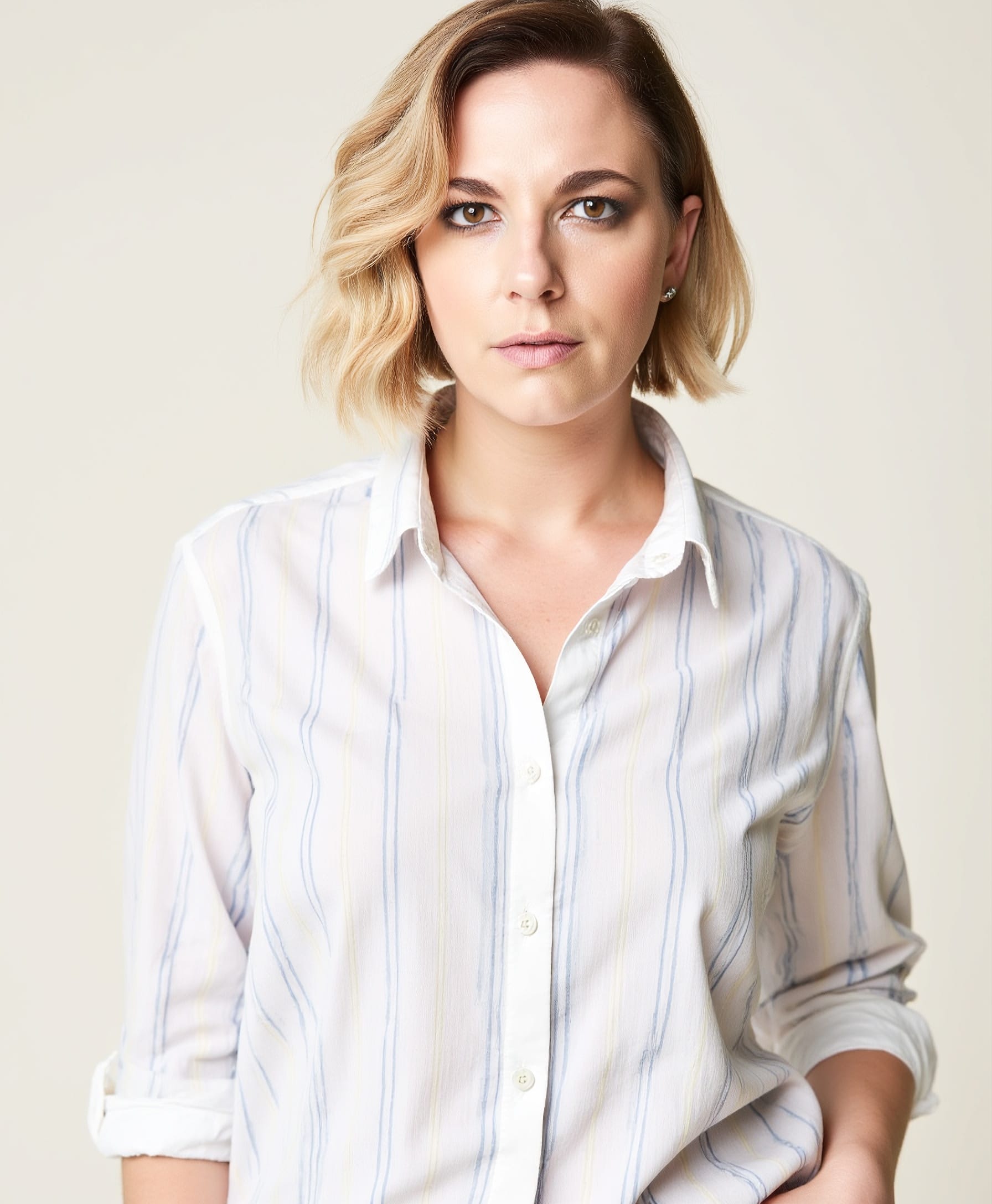
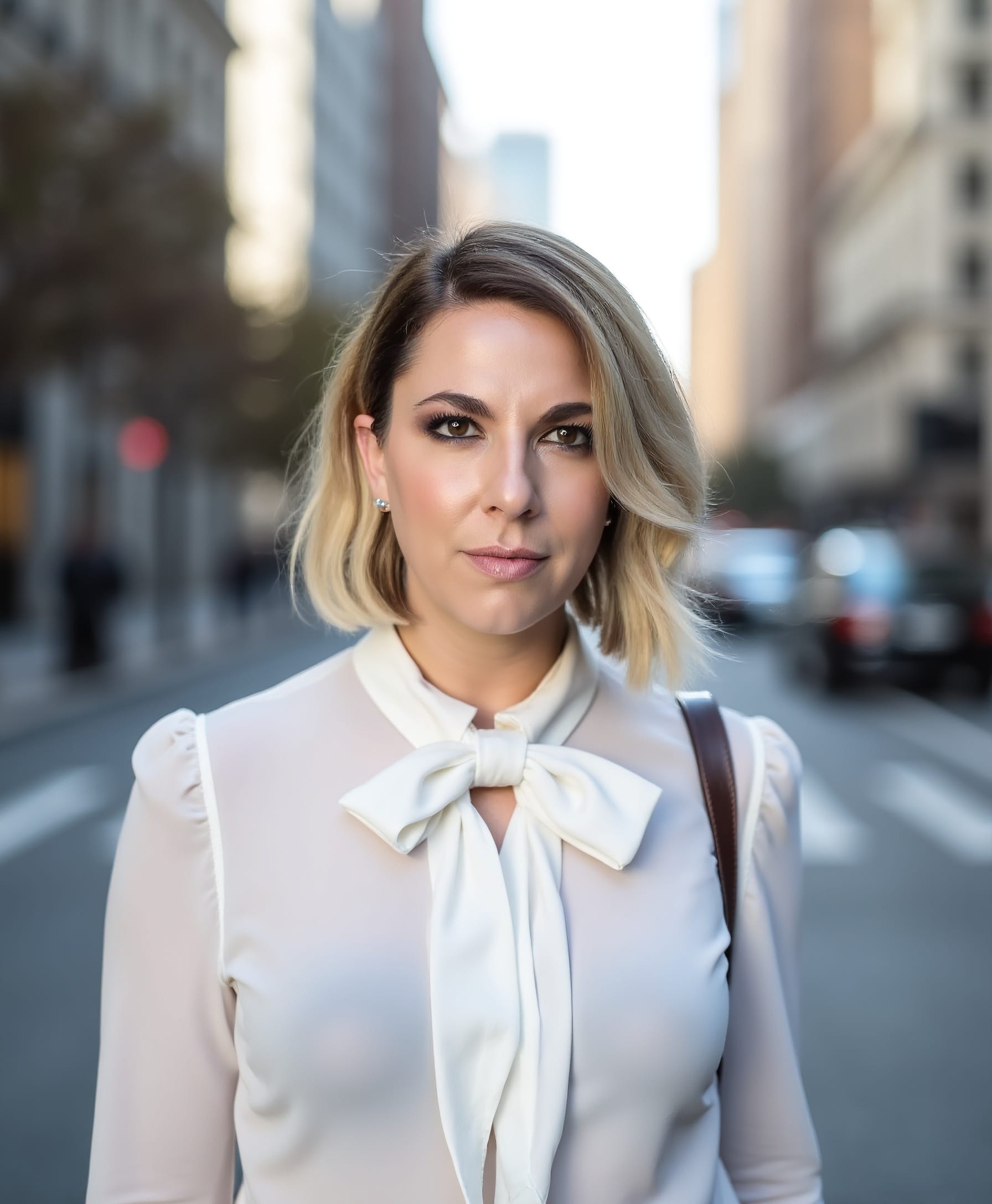
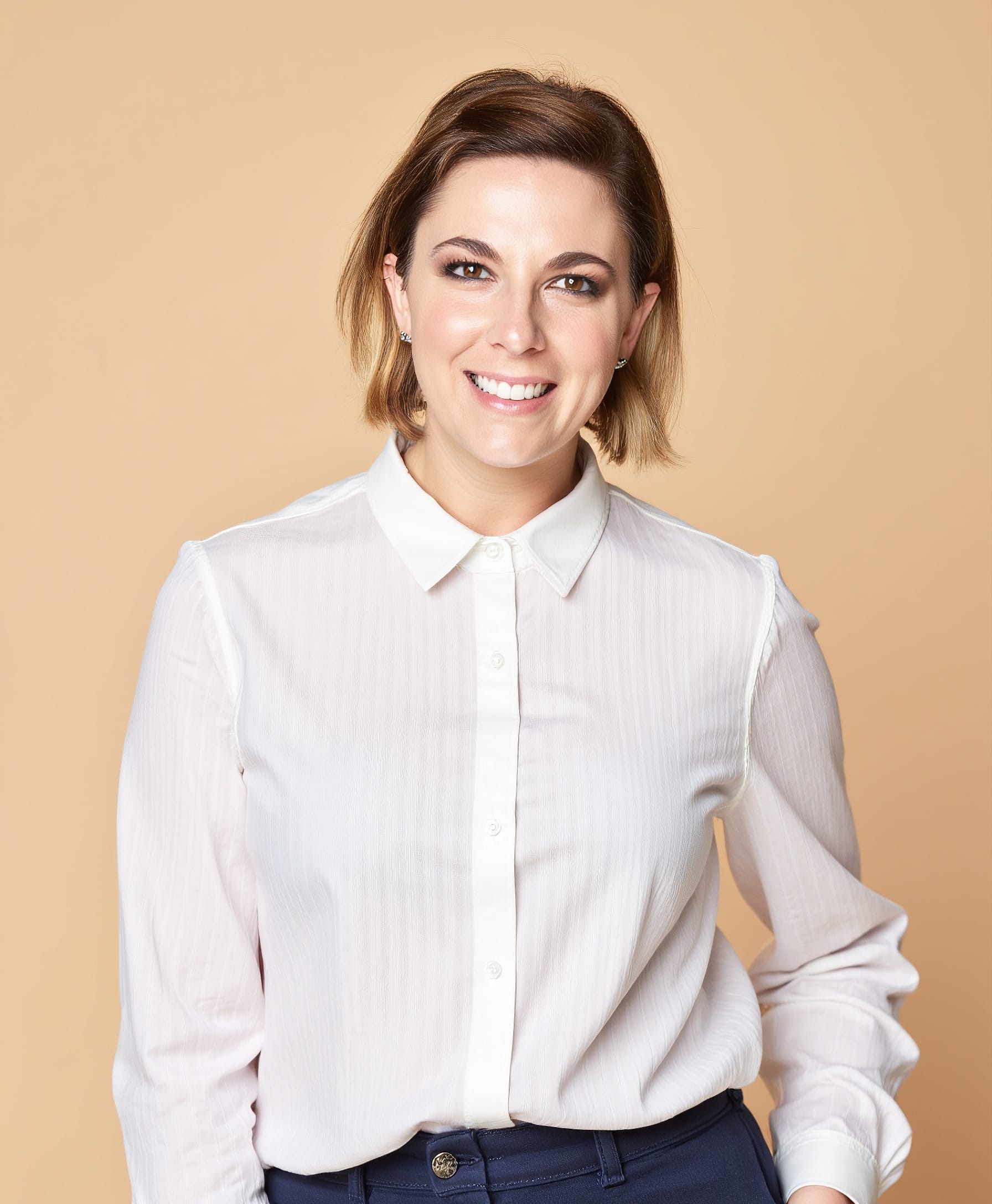
Now.
First of all, that pic in the center above: holy headlights, LOL.
Secondly: Is it obvious it's AI? Yeah, for sure.
Thirdly: Do they really look like me? Haha, I mean, I wish? 🤣 But, that's not the AI's fault. There are a few things I learned I could have done to make the result more lifelike:
- Upload more photos of me smiling, so the AI can get my real smile / teeth
- Upload more images of my actual body type
- AND—this seems to be important—go ahead and refine each one in the editor thereafter. There are tons of tools to make it look more like you, such as "face swap" where you can upload more images of your face to make it look more like you, or "hairstyle changer," or "realism enhancer." I skipped all of them on purpose because I wanted to see the raw output first.
So, should you use it?
If you need a quick headshot for a bio, an About page, or LinkedIn, and the real photoshoot keeps sliding to "next quarter," yes. It's a perfectly good stand-in.
Not so you can pretend to be someone you're not.
So you'll stop hiding.
There's nothing worse than being a brilliant person who's keep themselves small because they don't love their face / their hair / the weight they gained / don't have access to a good camera / are shy to do a photoshoot.
So here's where I've landed: I'd rather read your real thoughts next to a fake face than fake thoughts next to your real one.
One of those is a con.
The other one's just a headshot. 🤷♀️
Modernize Your Business & Keep Your Humanity
Subscribe to Extraordinary Work, the spunky newsletter that shows beloved companies like yours how to use AI thoughtfully to become even more creative, not less, so your brand stays relevant, in demand, and—might I say—pretty darn cool.
From the Penguin Random House author seen in The New York Times, The New Yorker, The Guardian & BBC